Oceanside snowy alps
Seed information
- Seed
-
-5291949135870468662 - Location
-
62, 82, -32 - Compatible versions
-
Minecraft Java
•
1.20 - 1.21.11
Works with: 1.20, 1.20.1, 1.20.2, 1.20.3, 1.20.4, 1.20.5, 1.20.6, 1.21, 1.21.1, 1.21.2, 1.21.3, 1.21.4, 1.21.5, 1.21.6, 1.21.7, 1.21.8, 1.21.9, 1.21.10, 1.21.11

Description
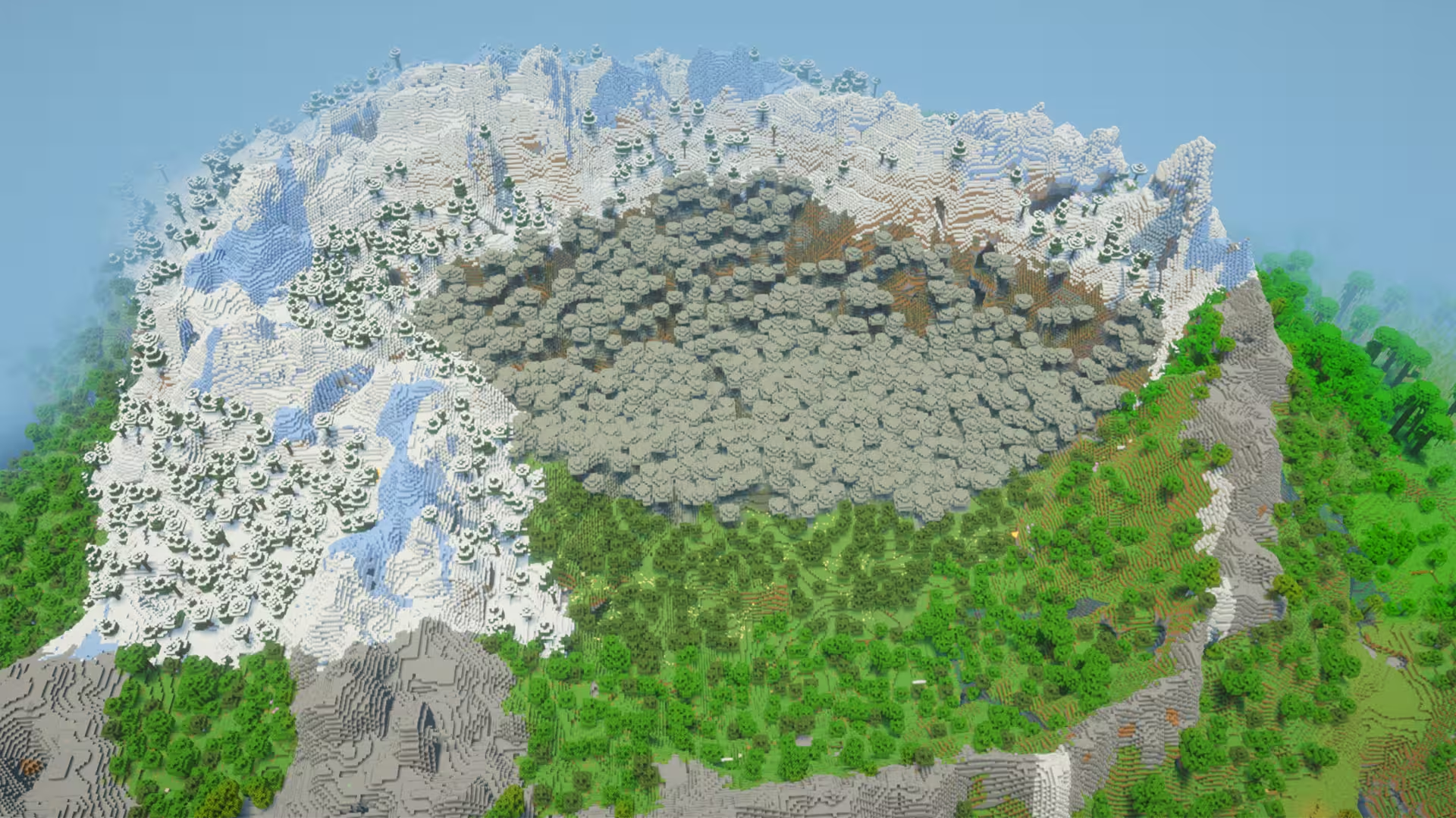
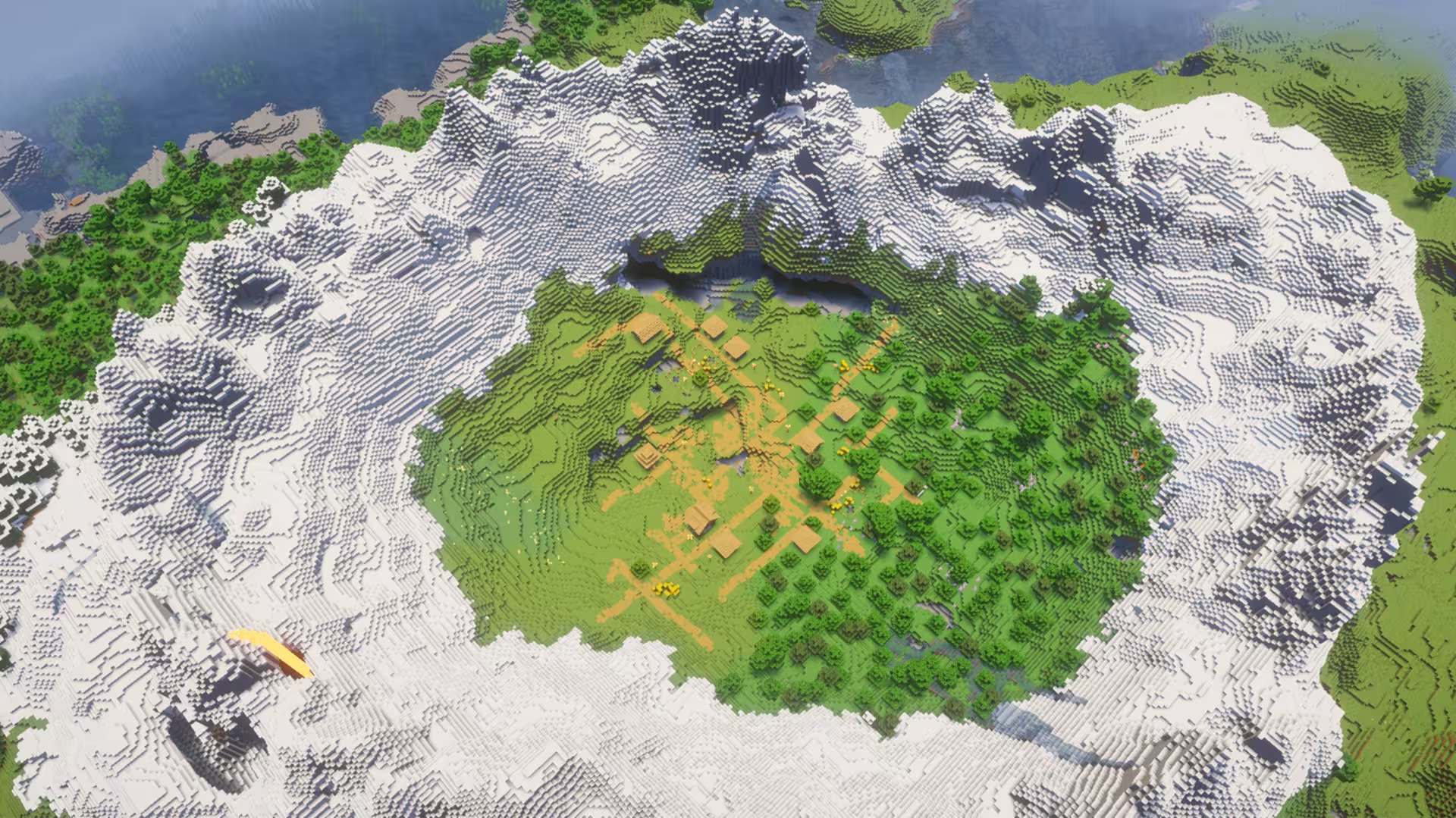
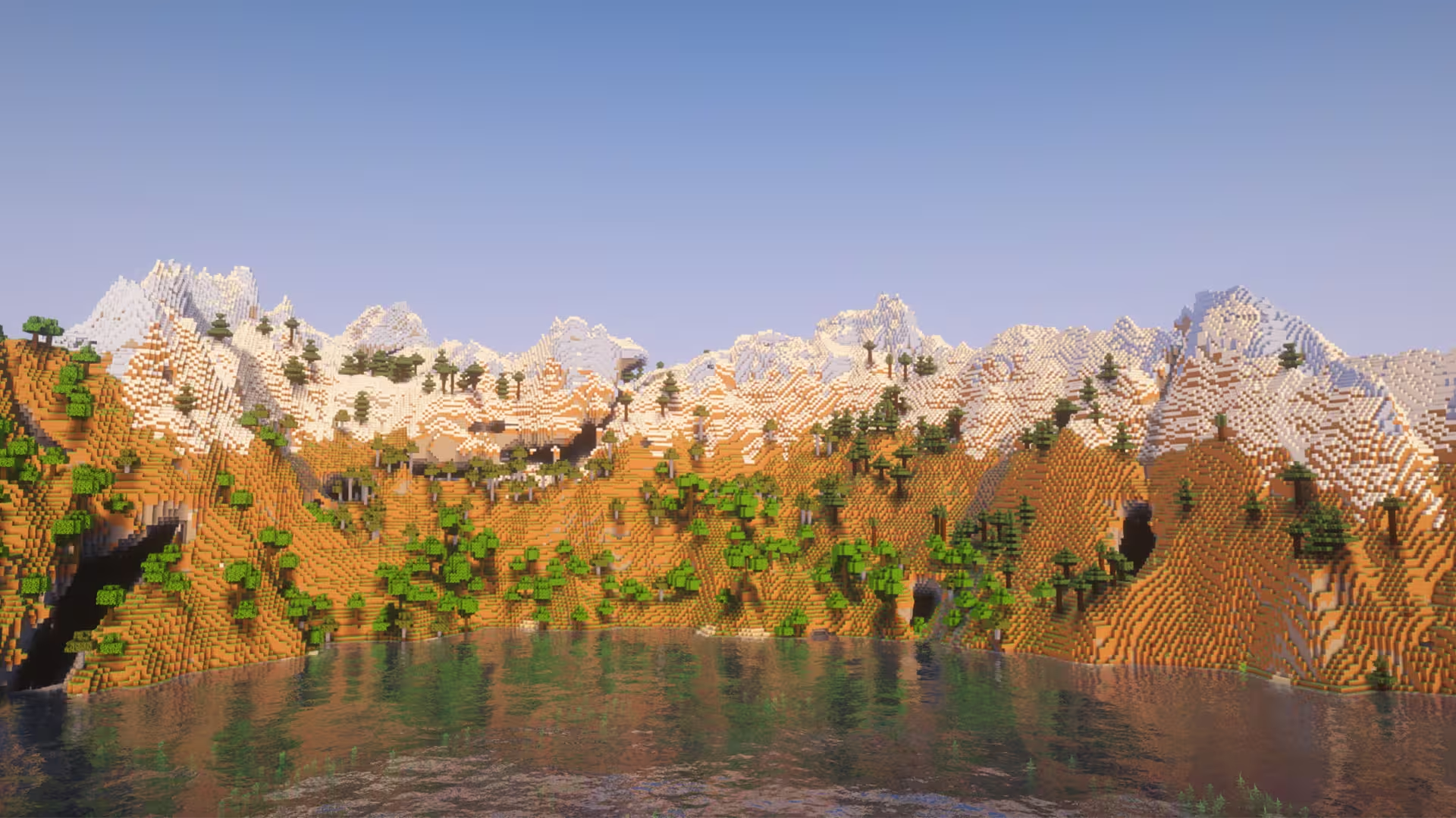
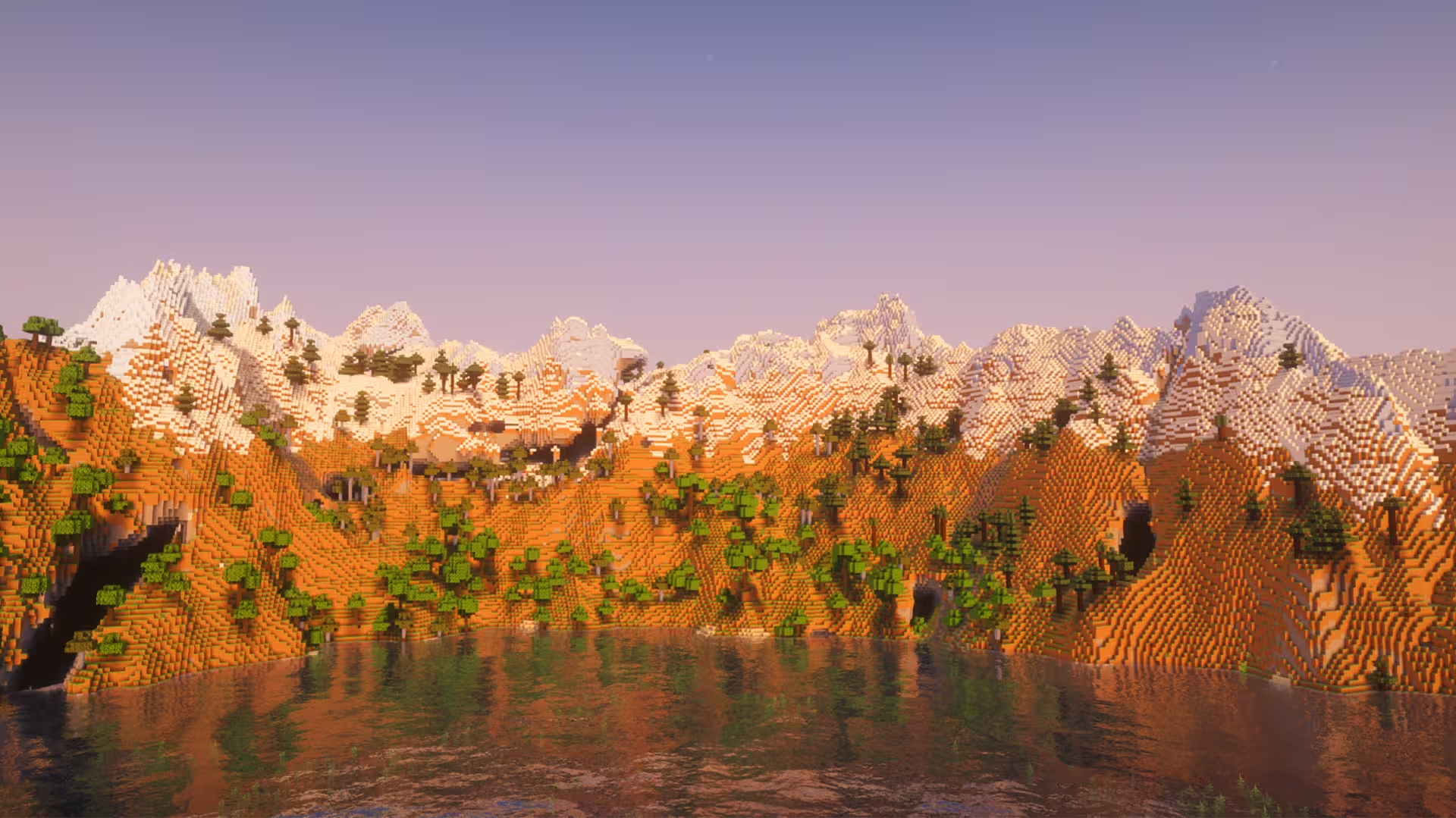
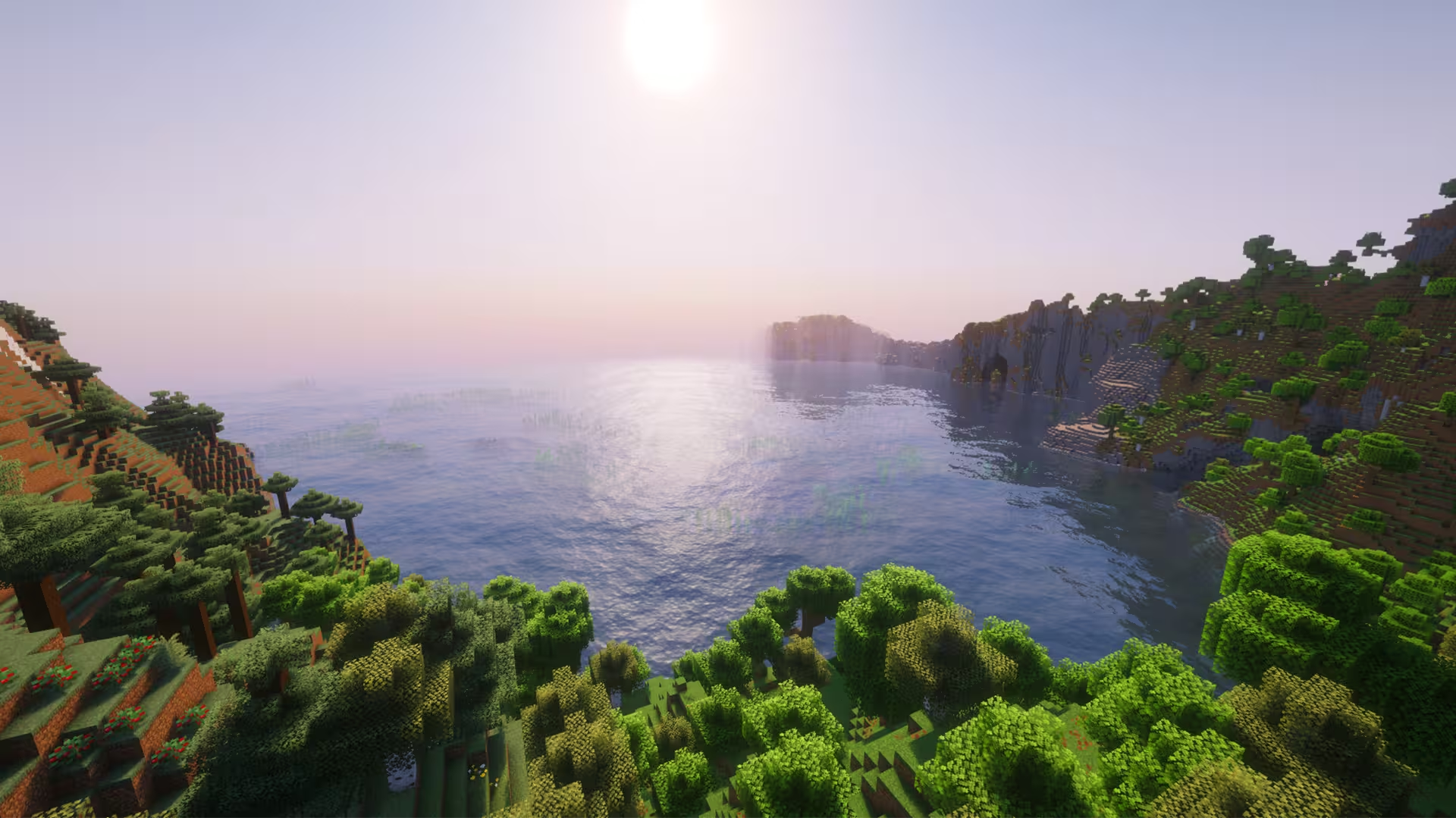
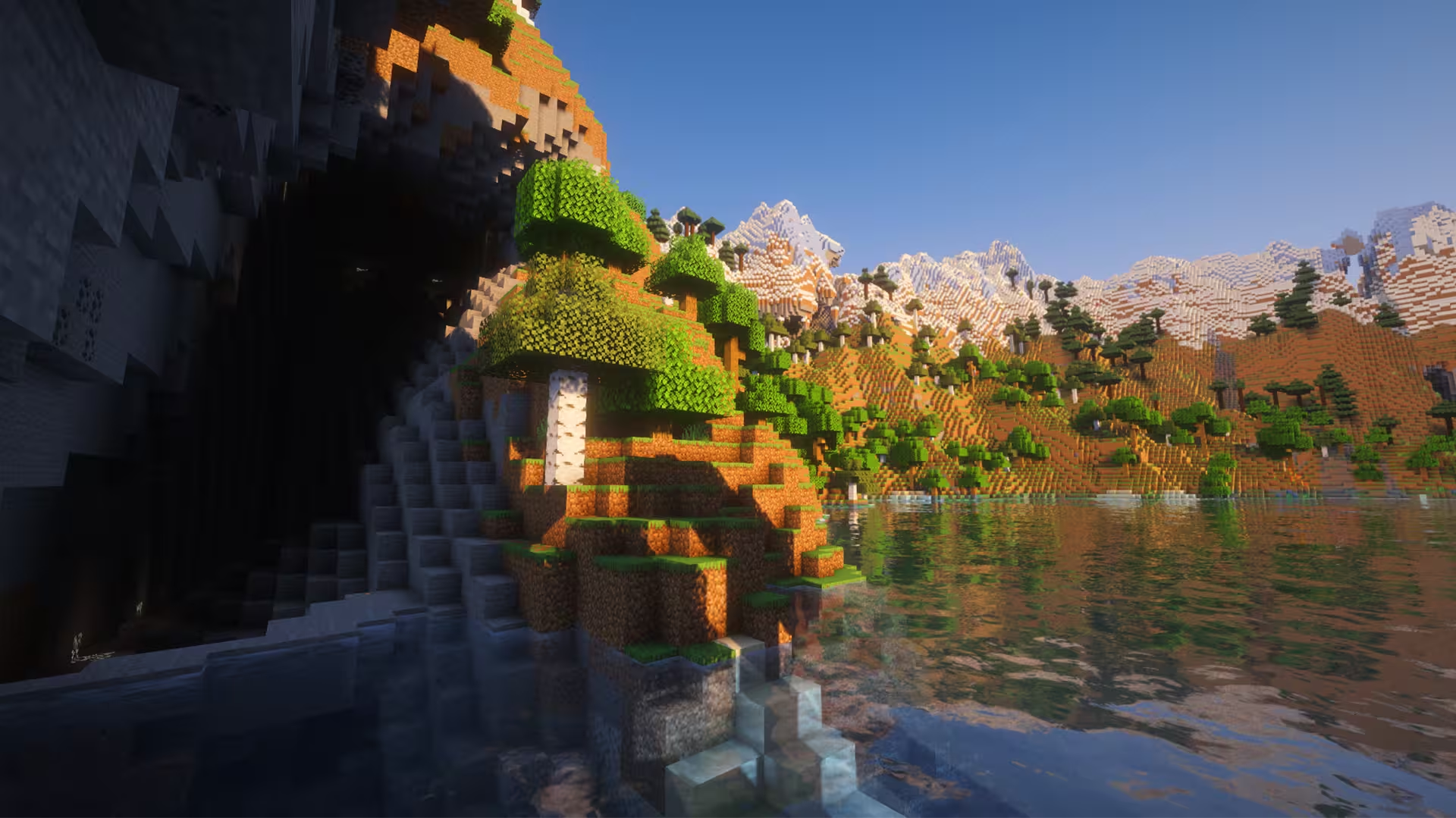
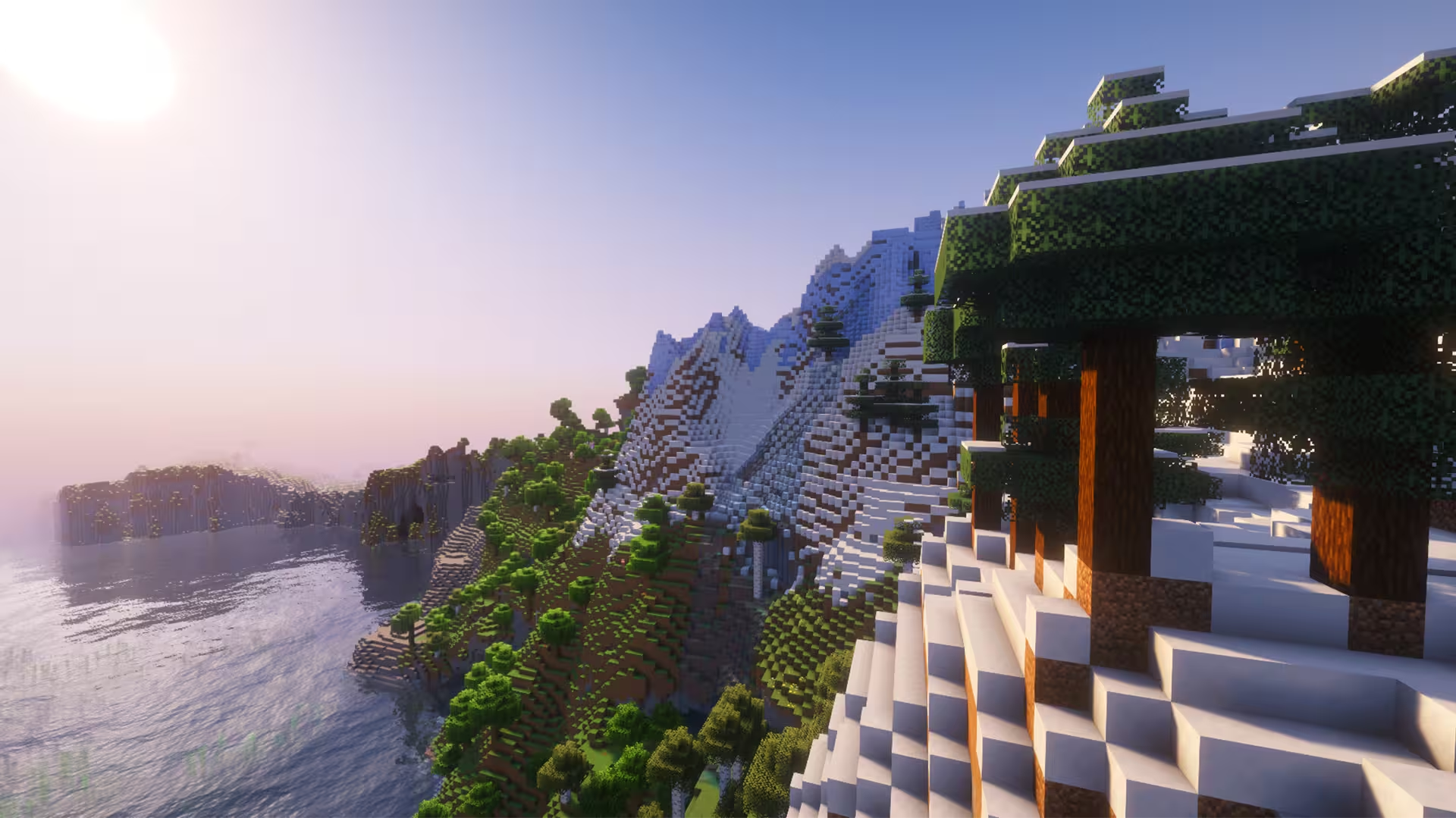
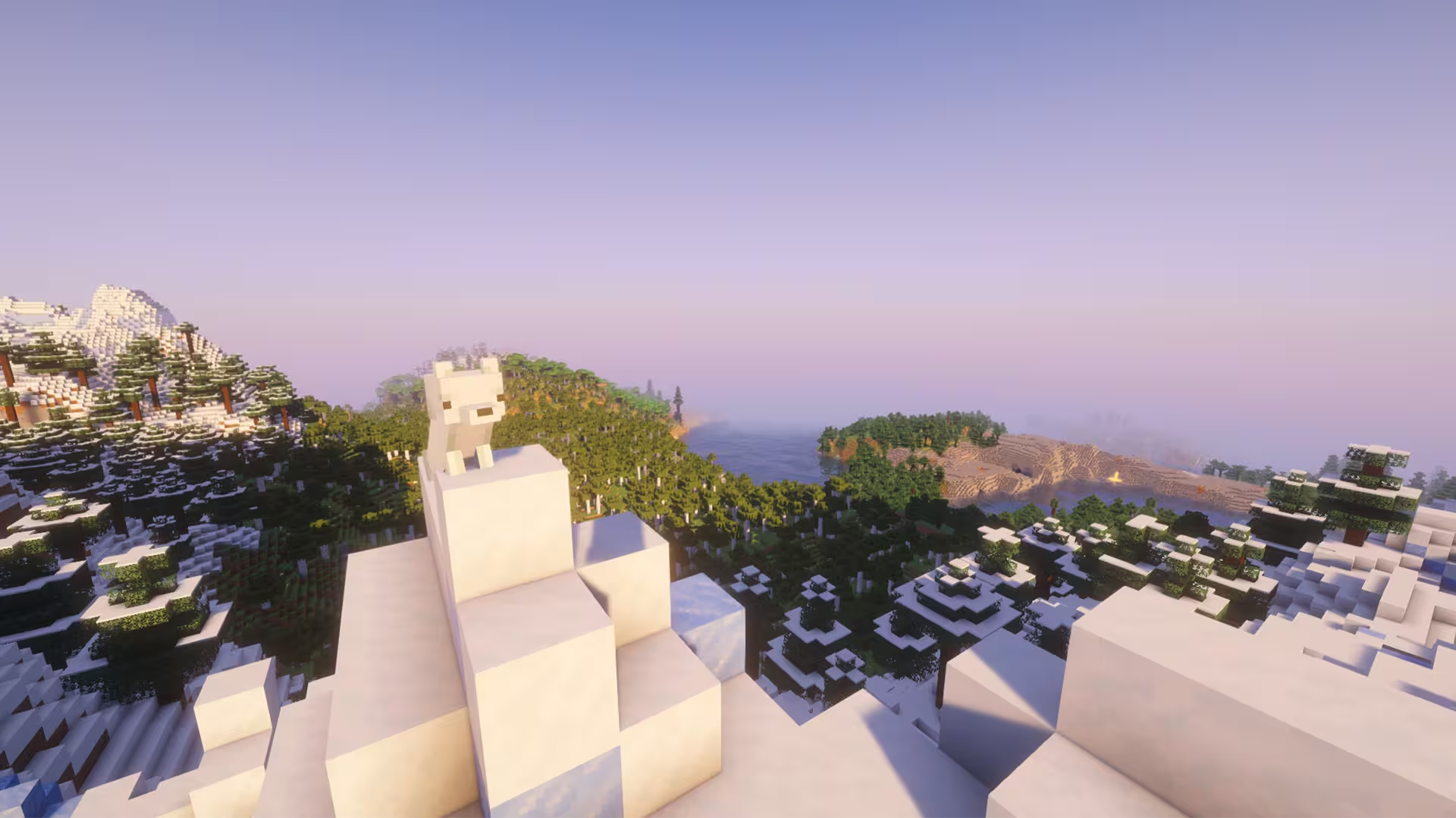
As you enter this Minecraft seed’s world, you spawn right in a Taiga Forest beside a Stony Shore and a River. If you head southeast to the ocean, you’ll come across a huge oceanside snowy alps with forests and Jagged peaks. The view is dramatic, and the Alps also have a small cave opening on their left side, in which you can enter. You can even find an Arctic Fox at the peaks of the snowy alps, and the view from there overlooks another forest. The oceanside snowy alsp stretches for around 500 blocks, so you have quite a lot to explore.
Moving on to the seed’s world generation, unfortunately, you won’t find many structures near the main spawn area. The oceanside snowy alps has one Ancient City, and more are found south of the alps. Villages and a Pillager Outpost are the same. You’ll mostly have to travel down south to actually have some excitement in-game. Other than that, your world has some biome variety with Stony Shores, Dark Forests, some Cherry Groves, Badlands, and Deserts.
Tags
Nearby locations
Oceanside Snowy Alps
                                                        X: 487, Y: 76, Z:
                                                        294
Village #1 (PLains)
On a Jagged Peaks mountain near a Dark Forest.
                                                        X: 16, Y: 117, Z:
                                                        737
Village #2 (Savanna)
                                                        X: -353, Y: 108, Z:
                                                        928
Ancient City #1
                                                        X: 168, Y: -51, Z:
                                                        424
Ancient City #2
                                                        X: -312, Y: -51, Z:
                                                        792
Ancient City #3
                                                        X: 584, Y: -51, Z:
                                                        888
Ancient City #4
                                                        X: 136, Y: -51, Z:
                                                        936
Pillager Outpost
Near Ancient City #3.
                                                        X: 704, Y: 67, Z:
                                                        800
Frequently asked questions
A seed is just a number or text string that Minecraft uses to generate your world. When you create a world and type something into the “Seed” box (like `12345` or `MyLittleWorld`), the game turns that into a big number. That number is the recipe the game uses to place: biomes, structures (villages, temples, strongholds) and terrain (mountains, oceans, caves). So if you are using the same seed + same version + same edition (Java/Bedrock) = same world layout. Change anything in the seed and you’ll get a different world.
Since 1.18+ Java and Bedrock use more similar terrain generation, so the overall shape of the world can look similar for the same seed: similar mountain ranges, big oceans, etc. but structures and details like villages or ruined portals often don’t line up exactly between Java and Bedrock. Older versions (pre-1.18) are even more different.
No. Seeds are very version-sensitive because Mojang keeps changing world generation. Big updates like 1.13, 1.16, and 1.18 massively changed world gen and 1.20+ keeps tweaking structures and biomes. A 1.16 seed will still load in 1.20, but the world won’t match: biomes can shift, structures move, and if you had a village at spawn that might disappear. The seed number is still valid, but the layout isn’t guaranteed to look the same. As a rule of thumb, always use the same edition and version the seed was shared for if you want your world to look like the screenshots.
A 1.21.1 seed used in 26.1 will generate the same world as long as you’re on the same edition. Mojang usually keeps world generation identical across small patch versions.
You can see your seed by opening the world, press T and type `/seed` in the chat (cheats must be enabled), then press ENTER. On Java, if cheats are off, you can temporarily enable them via “Open to LAN → Allow Cheats → Start LAN World” and then run `/seed` . On **Bedrock**, you can find the seed from the world settings: Advanced page or on the Game page. On multiplayer servers, you’ll only see the seed if the server lets you: some allow `/seed` for all players, some only for admins, and many block it entirely But to find new interesting seeds, people use scripts that check for certain world formations in millions of random seeds, and interesting ones are highlighted and checked.